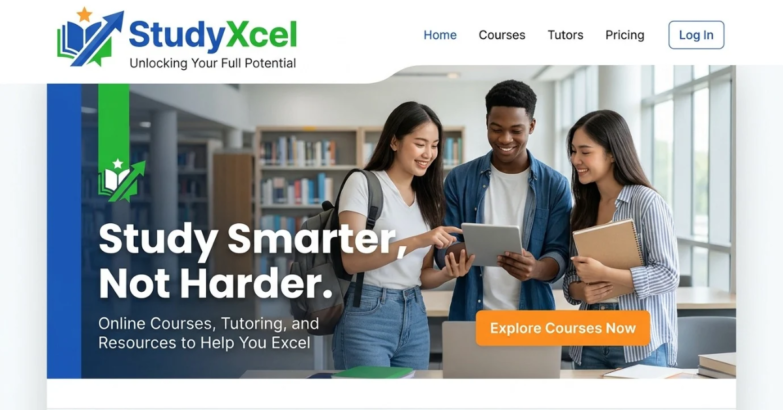
Finding the right educational resources can make a significant difference in how effectively you study, prepare for examinations, and plan your future career. With so many websites offering learning advice, students often struggle to identify resources that are genuinely useful. StudyXcel.com is an educational website designed to make this process easier by bringing learning guidance, study strategies, and practical academic resources together.
Whether you are a school student, university learner, independent researcher, or someone interested in developing professional skills, the platform aims to provide accessible information that supports continuous learning. Its focus is on simplifying educational topics and helping readers make more informed decisions about their academic and professional journeys.
In this guide, we explore what the website offers, its educational focus, available resources, potential benefits, and how students can make the most of it.
What Is StudyXcel.com?
StudyXcel.com is an online educational resource focused on learning, academic development, examination preparation, and career guidance. Its primary objective is to make useful educational information easier to understand and apply.
Rather than presenting complicated subjects in unnecessarily technical language, the website aims to explain relevant topics through accessible articles and practical guidance.
The platform identifies several important areas of interest:
- Academic learning: Information that helps students understand educational subjects and improve their learning habits.
- Exam preparation: Guidance on revision, time management, and effective examination strategies.
- Career development: Resources that help readers explore professional opportunities and career pathways.
- Skill development: Advice about building useful personal and professional abilities.
- Online education: Information about digital learning opportunities and independent study.
The overall approach is centered on making education more accessible to people with different learning goals and experience levels.
Main Features and Educational Resources
An educational website becomes valuable when readers can find information that addresses their actual needs. The platform’s stated content areas cover several aspects of academic and professional development.
1. Study Guides and Educational Articles
Educational articles are an important part of the website’s approach. They are intended to explain topics that students and independent learners may encounter throughout their educational journeys.
These resources can help readers explore subjects such as:
- Effective study habits and learning techniques.
- Academic planning and preparation.
- Different approaches to independent learning.
- Educational opportunities and resources.
- Personal development and knowledge improvement.
For students who struggle to organize their learning activities, straightforward guides can provide a useful starting point.
However, readers should always compare important academic information with their official course materials, teachers’ instructions, and recognized educational sources.
2. Study Tips and Examination Preparation
Preparing for examinations requires more than simply spending additional hours with textbooks. Students also need effective revision methods, realistic schedules, and opportunities to evaluate their understanding.
The website identifies examination strategies and study tips among its educational focus areas.
Some practical techniques worth incorporating into a study routine include:
- Active recall: Test yourself without looking at your notes to strengthen memory.
- Spaced repetition: Review important information over several days instead of attempting to memorize everything at once.
- Time blocking: Assign specific periods to individual subjects or assignments.
- Practice questions: Use previous examinations and sample questions to identify knowledge gaps.
- Regular revision: Revisit difficult topics before they become unfamiliar.
These techniques can help students move beyond passive reading and develop a more productive learning routine.
3. Career Guidance and Professional Development
Choosing a career is an important decision, particularly for students approaching graduation or considering a change in professional direction.
Career guidance helps individuals understand their options, identify relevant qualifications, and recognize the skills required in different industries.
The platform includes career development among its stated content categories. This makes it relevant to readers interested in exploring professional opportunities alongside their academic goals.
Career planning generally involves several important steps:
- Identify personal interests and professional strengths.
- Research industries that offer suitable opportunities.
- Understand the qualifications required for relevant positions.
- Develop practical and transferable skills.
- Gain experience through internships, projects, or entry-level employment.
- Review career goals as professional interests evolve.
For better results, readers should supplement general career advice with industry research, employer requirements, and information from established professional organizations.
4. Skill Development and Continuous Learning
Academic qualifications are valuable, but professional success increasingly depends on the ability to apply knowledge in practical situations.
Communication, critical thinking, problem-solving, digital literacy, and adaptability are useful skills across many industries.
Skill development is not limited to people who have recently graduated. Working professionals can also benefit from continuous learning as technology, workplace expectations, and industry requirements change.
A practical approach is to select one skill, identify suitable learning materials, practice regularly, and evaluate progress through real-world activities.
For example, someone interested in digital marketing could learn keyword research, create a small website, practice content optimization, and evaluate website performance using analytics tools.
This combination of theory and practical experience makes learning more meaningful.
5. Online Learning and Digital Education
Online education has created new opportunities for people who want to study independently or improve their qualifications without following a traditional classroom schedule.
Students can now access educational videos, digital libraries, online courses, tutorials, and interactive learning materials from different parts of the world.
However, having access to numerous resources does not automatically lead to better results. Learners still need a clear objective and a structured approach.
Useful online learning habits include:
- Choosing courses that match specific learning objectives.
- Checking the credibility of instructors and educational providers.
- Creating weekly learning targets.
- Taking notes and practicing newly learned concepts.
- Avoiding unnecessary switching between different resources.
- Applying knowledge through assignments and independent projects.
Educational guidance can help learners make better decisions when navigating this increasingly broad digital environment.
Who Can Benefit From StudyXcel.com?
The website’s educational focus makes it potentially relevant to several groups of readers.
School and College Students
Students can explore study techniques, academic guidance, revision strategies, and educational information that supports their everyday learning activities.
University Students
University learners often need to manage assignments, examinations, research, and career preparation simultaneously. Educational articles can provide ideas for improving organization and developing more effective learning habits.
Recent Graduates
People entering the job market may find career development information useful when exploring professional options, identifying skill gaps, and preparing for employment.
Working Professionals
Professionals interested in improving their knowledge or developing new capabilities can use educational resources as starting points for independent learning.
Independent Learners
Not everyone follows a traditional educational pathway. People who enjoy learning independently may appreciate accessible information covering different academic and professional subjects.
How to Use Educational Resources More Effectively
Simply visiting an educational website is not enough to improve academic performance. The real value comes from applying useful information consistently.
Here are some practical ways to get more from online learning resources.
1. Define Your Learning Objective
Start by identifying exactly what you want to achieve. Instead of setting a broad goal such as improving your education, choose something measurable, such as understanding a particular subject or preparing for an upcoming examination.
2. Select Relevant Learning Materials
Focus on articles and resources that directly address your objective. Avoid collecting large amounts of information that you may never use.
3. Create a Realistic Schedule
Divide your learning goals into smaller activities. A consistent 30-minute study session can be more productive than an occasional, exhausting study marathon.
4. Practice What You Learn
Use exercises, assignments, practical projects, and self-assessment questions to evaluate your understanding.
5. Track Your Progress
Keep a record of completed topics, areas that require improvement, and skills you have successfully developed.
6. Verify Important Information
For academic policies, admission requirements, examination dates, scholarships, and professional qualifications, always consult the relevant official institution or organization.
Why Reliable Educational Information Matters
The internet provides an enormous amount of educational content, but not every article is accurate, complete, or suitable for every learner.
This makes information quality particularly important.
When using any educational website, readers should consider the following factors:
- Accuracy: Are the explanations consistent with established knowledge?
- Credibility: Are authors, references, and sources clearly identified?
- Relevance: Does the information address the question being researched?
- Clarity: Can readers understand the material without unnecessary complexity?
- Updates: Is time-sensitive information reviewed regularly?
These checks are especially important when making decisions involving university admissions, examinations, financial assistance, or professional qualifications.
StudyXcel’s stated mission emphasizes accessible and reliable educational information. Nevertheless, readers should independently verify important claims rather than treating any single website as an authoritative source for every subject.
Is StudyXcel.com Worth Exploring?
For readers interested in education, study strategies, and career development, the website may serve as a starting point for exploring relevant information.
Its broad educational focus is particularly useful for people who want to investigate different learning and professional development topics.
However, it is important to understand what the platform represents. Its published description presents it as an educational information resource rather than an accredited university or a substitute for formal teaching.
Readers looking for structured qualifications, recognized certificates, or direct tutoring should check dedicated educational providers for those services.
The best way to evaluate the website is to explore its available content, assess the quality of individual articles, and determine whether the information meets your learning requirements.
Tips for Building a Successful Study Routine
Regardless of which educational resources you use, a consistent study routine can improve your ability to retain information and achieve academic goals.
Consider incorporating these habits into your daily schedule:
- Study at a time when you can concentrate comfortably.
- Break complicated subjects into smaller sections.
- Keep your phone and other distractions away during focused sessions.
- Take short breaks between study periods.
- Review previous lessons before starting new material.
- Explain difficult concepts in your own words.
- Get sufficient sleep before important examinations.
- Set weekly targets and review your achievements.
Remember that effective studying is not about working continuously. It is about using your time intelligently and developing habits that support long-term understanding.
Frequently Asked Questions (FAQs)
1. What is StudyXcel.com?
It is an educational website focused on study guidance, examination preparation, career development, and learning-related information. Its purpose is to make educational topics easier to understand.
2. Who should use StudyXcel.com?
Its content is intended for students, university learners, graduates, working professionals, and independent learners interested in improving their knowledge and skills.
3. What topics does the website cover?
The platform identifies academic learning, study strategies, examination preparation, career guidance, skill development, and online education among its main subject areas.
4. Can StudyXcel help students prepare for examinations?
Its educational content includes study tips and examination strategies. Students can explore these resources for revision ideas and time-management guidance while following their official examination syllabuses.
5. Does StudyXcel provide career guidance?
Yes. Career development is one of the subjects identified in its published website description. Readers interested in professional opportunities can explore relevant educational and career-related guidance.
6. Is StudyXcel an accredited educational institution?
The website presents itself as an educational information platform. Its published description does not establish that it is an accredited university, college, or degree-awarding institution.
7. Can working professionals benefit from the website?
Yes. Its focus on skill development, continuous learning, and career growth may be relevant to professionals interested in improving their knowledge and exploring new opportunities.
8. Is the information on StudyXcel suitable for independent learning?
Its educational articles can provide starting points for independent research and learning. For specialized subjects, readers should supplement general guidance with textbooks, academic publications, and recognized learning providers.
9. How can I get the best results from online educational resources?
Start with a clear learning objective, select reliable materials, create a realistic schedule, practice regularly, and evaluate your progress. Applying new knowledge is essential for meaningful improvement.
10. Where can I access StudyXcel?
You can visit the official website at https://studyxcel.com/ and explore its available educational content and resources.
Conclusion
Education is a continuous process that extends beyond classrooms, examinations, and formal qualifications. Developing effective study habits, exploring new subjects, and building practical skills can help individuals create better academic and professional opportunities.
StudyXcel.com aims to support this journey through educational articles and guidance covering study strategies, examination preparation, career development, and online learning.
Although readers should independently verify important information and use official sources for formal academic decisions, the platform offers an educational starting point for people interested in expanding their knowledge.
If you want to become a more organized learner, improve your study routine, or explore new career possibilities, begin by identifying your goals and choosing resources that support them. Visit the website, explore its available articles, and turn useful information into consistent action.
Learning becomes more rewarding when knowledge is not simply collected but applied.