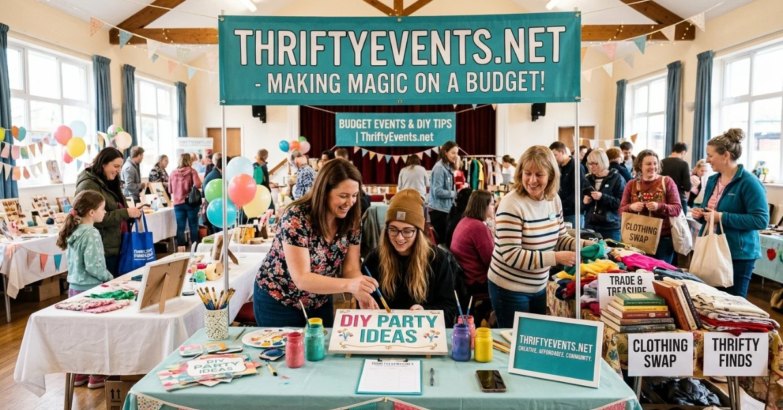
Planning a memorable event doesn’t have to mean spending a fortune. Whether you’re organizing a birthday party, wedding reception, family gathering, or corporate function, making the right decisions can help you create a wonderful experience without putting unnecessary pressure on your finances. That’s where blog thriftyevents.net comes into the picture.
Thrifty Events focuses on practical event-planning advice, creative DIY projects, and money-saving strategies. Its content is aimed at people who want to celebrate important occasions while keeping expenses under control. From choosing affordable venues to creating attractive decorations, the blog offers inspiration for approaching event planning with more creativity and less financial stress.
In this guide, we’ll explore what the website offers, its main topics, how readers can use its ideas, and some practical ways to organize better events on a reasonable budget.
What Is Blog ThriftyEvents.net?
Blog ThriftyEvents.net is an online resource associated with Thrifty Events, a website dedicated to affordable event planning. Its central idea is straightforward: people should be able to organize enjoyable celebrations without spending more than they can comfortably afford.
The website focuses on making event organization easier through informative articles, planning suggestions, budgeting advice, and creative inspiration. Rather than treating expensive arrangements as the only way to create an impressive occasion, its approach encourages readers to prioritize what matters and find affordable alternatives.
The content is particularly relevant to:
- Individuals planning birthday parties and family celebrations.
- Couples organizing weddings or engagement parties.
- Parents arranging children’s parties and school events.
- Small businesses preparing corporate gatherings.
- Community organizers planning fundraisers and social activities.
- Anyone interested in creative, low-cost celebration ideas.
One useful distinction is that the blog should primarily be approached as an informational resource. Readers can explore its ideas and apply them to their own arrangements, while contacting venues and suppliers independently to confirm prices and availability.
Main Topics Covered by Thrifty Events
The website revolves around several practical areas of event organization. Each addresses a different challenge that hosts commonly face.
1. Budget-Friendly Event Planning
Budget management is one of the most important parts of organizing any gathering. Without a clear spending limit, small purchases can quickly accumulate and create unexpected financial pressure.
The blog’s budgeting-focused approach encourages readers to establish their priorities before making commitments.
Some useful budgeting considerations include:
- Establishing a realistic total spending limit.
- Estimating expenses according to the number of guests.
- Comparing venue and catering quotations.
- Separating essential purchases from optional extras.
- Keeping a reserve for unexpected costs.
- Tracking payments and outstanding balances.
For example, someone organizing a birthday celebration for 40 guests might divide their budget between food, decorations, entertainment, venue arrangements, and miscellaneous expenses.
This makes it easier to understand where the money is going and identify opportunities to reduce unnecessary spending.
2. DIY Decorations and Creative Ideas
Decorations can significantly influence the atmosphere of an event, but purchasing everything from professional suppliers isn’t always necessary.
DIY projects offer an opportunity to personalize a venue while potentially reducing costs. With some planning, everyday materials can become attractive decorative elements.
Popular ideas include:
- Handmade birthday banners.
- Paper flowers and decorative backdrops.
- Reusable table centerpieces.
- Personalized invitation cards.
- Homemade party favors.
- Repurposed glass jars and containers.
- Simple balloon arrangements.
The important thing is to choose projects that match your available time, skills, and budget. DIY isn’t automatically cheaper if materials are expensive or the project requires several hours of work.
A simple decoration that looks polished is often more effective than an elaborate project that creates unnecessary stress.
3. Affordable Venue Selection
Venue selection is another major consideration because the location can influence catering, transportation, decoration, and equipment expenses.
A traditional banquet hall might be suitable for a formal wedding, but smaller celebrations often have more affordable alternatives.
Consider options such as:
- Community halls.
- Local parks where permitted.
- Home gardens and backyards.
- Shared event spaces.
- Restaurant function rooms.
- School or community facilities.
Before making a booking, compare the complete cost rather than focusing only on the advertised rental price.
Ask whether the venue includes tables, chairs, lighting, cleaning, parking, and basic equipment. Also check cancellation policies, access times, insurance requirements, and any restrictions on decorations or outside catering.
4. Wedding and Engagement Planning
Weddings are among the most expensive celebrations for many families. However, a meaningful wedding doesn’t necessarily require an extravagant venue or an extensive list of luxury services.
Budget-conscious couples can make thoughtful decisions without losing the personal character of their celebration.
Some practical ways to control wedding expenses include:
- Keeping the guest list manageable.
- Choosing an off-peak wedding date.
- Comparing several catering providers.
- Using seasonal flowers.
- Selecting simple but attractive invitations.
- Renting certain decorations instead of buying them.
- Prioritizing photography and other meaningful services.
The most effective approach is to identify the elements that matter most to the couple and allocate money accordingly.
5. Corporate and Community Events
Event planning isn’t limited to private celebrations. Businesses, charities, schools, and community organizations regularly arrange gatherings that require careful financial management.
Corporate meetings, networking sessions, workshops, fundraising activities, and employee celebrations all involve logistical decisions.
Useful planning considerations include:
- Selecting a location that is convenient for attendees.
- Preparing a realistic attendance estimate.
- Organizing registration and invitations.
- Arranging refreshments and basic equipment.
- Creating a clear event schedule.
- Assigning responsibilities to team members.
- Monitoring expenses throughout the process.
For smaller organizations, controlling costs is particularly important because event spending often competes with other operational priorities.
How to Plan an Event on a Limited Budget
Reading about affordable event ideas is helpful, but applying those suggestions requires a practical system. The following process can make event organization more manageable.
Step 1: Define the Purpose of the Event
Start by identifying why you’re organizing the gathering.
A birthday celebration, business conference, charity fundraiser, and wedding reception have different requirements. Understanding the purpose helps you determine the appropriate venue, atmosphere, guest experience, and spending priorities.
Write down three things you want attendees to remember about the occasion.
Step 2: Establish Your Budget
Decide how much you can realistically spend before contacting suppliers or purchasing decorations.
A sample budget for a small gathering might look like this:
| Expense |
Budget allocation |
| Venue |
25% |
| Food and refreshments |
30% |
| Decorations |
10% |
| Entertainment |
10% |
| Invitations and stationery |
5% |
| Equipment and logistics |
10% |
| Emergency reserve |
10% |
These percentages are illustrative rather than fixed recommendations. Adjust them according to your event’s requirements and local prices.
Step 3: Prepare Your Guest List
The number of attendees affects almost every major expense.
A smaller guest list can reduce catering requirements, seating arrangements, venue costs, and invitation expenses.
Create a preliminary list and distinguish between essential invitations and optional guests. Confirm attendance early enough to avoid ordering more food or equipment than necessary.
Step 4: Compare Suppliers and Venues
Avoid choosing the first supplier you find.
Request itemized quotations from multiple providers and compare what each package actually includes.
Pay attention to:
- Rental periods.
- Delivery and setup fees.
- Taxes and additional charges.
- Deposit requirements.
- Cancellation conditions.
- Equipment availability.
- Payment deadlines.
A lower advertised price doesn’t always mean a cheaper final bill.
Step 5: Create a Planning Timeline
A timeline helps prevent last-minute purchases and rushed decisions.
For a typical gathering, you could use this schedule:
- Four to six weeks before: Set the budget, prepare the guest list, and shortlist venues.
- Three weeks before: Confirm suppliers, invitations, catering, and entertainment.
- Two weeks before: Finalize decorations, activities, and equipment.
- One week before: Confirm attendance and review all arrangements.
- One day before: Check supplies, payments, venue access, and setup requirements.
- Event day: Follow the schedule and handle any unexpected issues.
Larger events may require several months of preparation.
Benefits of Using Online Event-Planning Resources
Online resources have made event organization more accessible, especially for people who don’t have professional planning experience.
Websites like Thrifty Events can provide inspiration and help readers understand the different stages involved in preparing an occasion.
Some of the potential benefits include:
Better financial awareness: Budgeting articles encourage people to consider costs before committing to purchases.
Creative inspiration: DIY suggestions introduce alternatives to expensive decorations and commercial products.
Improved organization: Checklists and planning guides can help readers keep track of important tasks.
Time savings: Finding ideas and organizing information in one place can reduce the time spent searching for inspiration.
Greater confidence: First-time hosts can learn about common planning challenges before making important decisions.
However, online advice should always be checked against real-world requirements. Local prices, venue rules, supplier availability, and safety regulations can vary considerably.
Smart Ways to Save Money Without Compromising Quality
Saving money doesn’t mean every aspect of an event needs to be basic. The goal is to spend intentionally rather than reduce quality indiscriminately.
Here are some practical strategies worth considering.
Choose a Suitable Date and Time
Weekend evenings are popular for many celebrations, which can make venues and suppliers more expensive.
If your schedule allows, consider weekday gatherings, daytime celebrations, or less-demanded dates.
Use Digital Invitations
Digital invitations can reduce printing and postage expenses. They also make it easier to communicate updates and collect attendance confirmations.
Consider Shared Resources
Borrowing or renting tables, chairs, sound systems, and decorative items can be more economical than purchasing equipment for a single occasion.
Keep the Menu Practical
A carefully selected menu can be enjoyable without being unnecessarily complicated.
Choose dishes that suit the occasion, guest preferences, and catering budget. Confirm dietary requirements and avoid ordering excessive quantities.
Reuse Decorations
Neutral decorations, fabric backdrops, reusable tableware, and versatile lighting can work across multiple occasions.
Buying items that can be used again is often a smarter investment than purchasing disposable decorations for every gathering.
Focus on Guest Experience
People often remember the atmosphere, hospitality, conversations, and shared experiences more than expensive decorative details.
Comfortable seating, good organization, appropriate food, and engaging activities can make a gathering enjoyable without significantly increasing its cost.
Is Blog ThriftyEvents.net Worth Exploring?
For readers interested in affordable celebrations, the website is worth exploring as a source of general planning inspiration.
Its focus on budgeting, DIY decorations, and event organization makes it relevant to people who want to understand how different planning decisions affect their overall expenses.
Nevertheless, readers should approach online recommendations thoughtfully. An article discussing a particular venue, supplier, or potential saving should not be treated as a verified quotation or guarantee.
Before making financial commitments, independently confirm:
- The supplier’s identity and reputation.
- Current prices and availability.
- Written terms and cancellation policies.
- Any additional service charges.
- Relevant venue permissions and safety requirements.
It is also sensible to distinguish between general suggestions and independently verified information. A useful planning article can help you make a shortlist, but the final decision should be based on current details and your own requirements.
Frequently Asked Questions (FAQs)
1. What is Blog ThriftyEvents.net?
Blog ThriftyEvents.net is an online event-planning resource associated with Thrifty Events. It focuses on budget-friendly celebrations, DIY decoration ideas, event organization, and practical money-saving suggestions.
2. Is ThriftyEvents.net suitable for beginners?
Yes. Its general focus on budgeting, planning, and creative ideas makes it relevant to people organizing their first birthday party, family gathering, wedding, or community event.
3. What types of events can I get ideas for?
Readers can explore ideas relevant to birthdays, weddings, engagement parties, family celebrations, corporate gatherings, school activities, and community events.
4. Does ThriftyEvents.net provide DIY decoration ideas?
DIY creativity is one of the website’s main content areas. Readers interested in handmade decorations, affordable party accessories, personalized invitations, and reusable decorative materials may find this topic particularly useful.
5. Can I use the website to plan a wedding on a budget?
You can use its event-planning and budgeting content for general inspiration. However, wedding venues, catering companies, photographers, and other suppliers should be contacted directly for current quotations and booking conditions.
6. Is ThriftyEvents.net an event-booking platform?
The publicly visible website primarily presents event-planning information and articles. Readers should not assume that it offers direct venue reservations, vendor bookings, or professional event coordination unless those services are explicitly confirmed.
7. How can I reduce event-planning expenses?
Start with a realistic budget, keep the guest list manageable, compare suppliers, consider affordable venues, use digital invitations, and reuse decorations. Planning early can also help prevent expensive last-minute decisions.
8. Are DIY decorations always cheaper?
Not necessarily. DIY decorations can save money when materials are inexpensive and projects are relatively simple. However, expensive supplies or extensive preparation time can sometimes make ready-made alternatives more practical.
9. Why is budgeting important when organizing an event?
Budgeting helps you understand your financial limits, prioritize essential expenses, compare suppliers, and avoid unexpected overspending. It also makes the planning process more organized.
10. Where can I find the website?
You can visit the main website at https://thriftyevents.net/ and explore the associated blog at https://blog.thriftyevents.net/ to discover available event-planning articles and ideas.
Conclusion
Organizing an enjoyable celebration is about more than spending money. It requires thoughtful decisions, creativity, preparation, and an understanding of what makes an occasion meaningful to the people attending.
Blog ThriftyEvents.net offers a starting point for readers interested in affordable event planning, practical budgeting techniques, DIY decorations, and creative celebration ideas. Whether you’re preparing a small family gathering or coordinating a larger corporate function, exploring these topics can help you approach the process with greater confidence.
The best strategy is to combine online inspiration with realistic budgets, verified supplier information, and careful preparation. Start with a clear plan, spend where it matters, and simplify the details that don’t add much value. With the right approach, a memorable event can be achievable without an unnecessarily large budget.